Operation Epic Fury: A Deep-Dive into the 2026 US-Israel Coordinated Attack on Iran

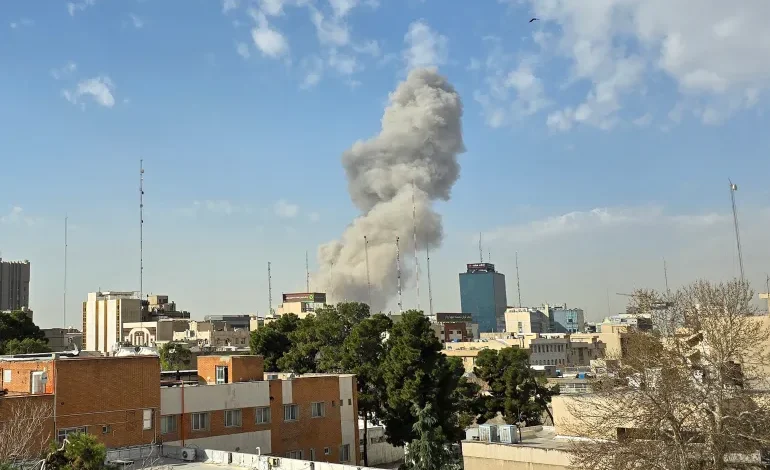
The morning of February 28, 2026, marked a definitive end to the “shadow war” era in the Middle East. In a historic and unprecedented maneuver, the US-Israel coordinated attack on Iran commenced, targeting the very foundation of the Islamic Republic’s military and nuclear infrastructure. Codenamed Operation Epic Fury by the U.S. and Operation Roaring Lion by Israel, this joint campaign has fundamentally rewritten the rules of regional engagement.
For more insights into how these global shifts affect various sectors, visit our General News category.
1. Strategic Catalysts: The Path to “Epic Fury”
The decision to transition from “maximum pressure” diplomacy to direct kinetic engagement followed the total collapse of nuclear negotiations in early February 2026. According to the House of Commons Library, the U.S. administration concluded that Iran was on the precipice of a “militarily-viable” nuclear breakout.
Core Objectives of the 2026 Strikes:
Nuclear Non-Proliferation: Degrading enrichment capabilities at the Fordow and Natanz facilities.
Regime Capability Degradation: Systematically dismantling the command-and-control structure of the Islamic Revolutionary Guard Corps (IRGC).
Regional Deterrence: Countering the influence of the “Axis of Resistance” and preventing a nuclear-armed Tehran from emboldening its proxies.
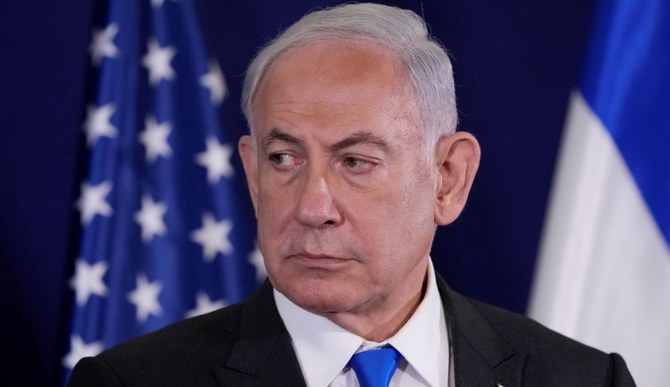
Political Transition: U.S. President Donald Trump explicitly framed the operation as a means to “allow the Iranian people to take their fate into their own hands,” signaling a goal of regime change.
2. Tactical Execution: The Largest Combat Sortie in History
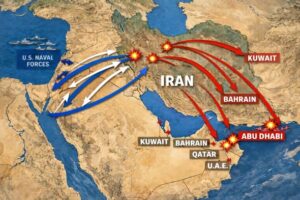
The US-Israel coordinated attack on Iran was characterized by surgical precision and overwhelming force. At 9:45 a.m. IRST, a combined fleet of stealth aircraft and long-range missiles initiated the assault.
The Decapitation Strike
According to Wikipedia’s 2026 conflict report, the Israeli Air Force (IAF) conducted a massive strike on the Pasteur Street district in Tehran. This “decapitation strike” reportedly killed Supreme Leader Ali Khamenei, the Defense Minister, and the Commander of the IRGC.
Advanced Weaponry Deployed:
B-2 Spirit Stealth Bombers: Used by the U.S. to deliver GBU-57 “Bunker Buster” bombs to hardened underground nuclear sites.
F-35I “Adir” Fighters: Israeli stealth jets that suppressed Iranian S-300 air defense batteries with electronic warfare and precision munitions.
Task Force Scorpion Strike: The first combat deployment of low-cost, one-way attack drones to overwhelm Iranian radar systems.
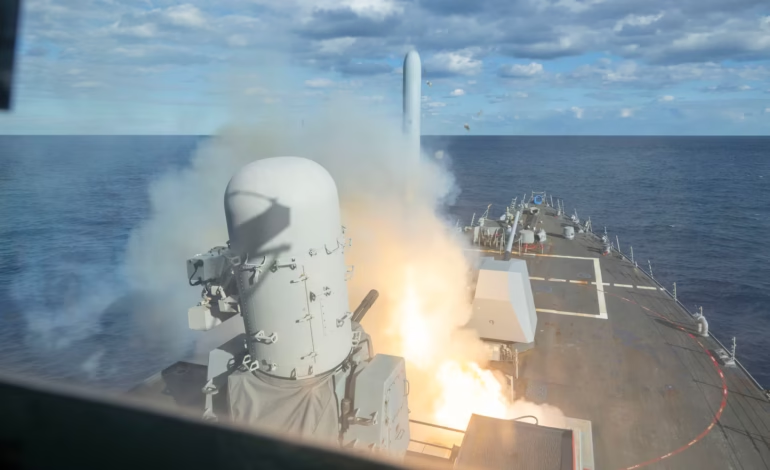
Tomahawk Cruise Missiles: Launched from U.S. Navy warships in the Persian Gulf to neutralize the Iranian Navy.
3. Iranian Retaliation: The Regional Firestorm
Tehran’s response was immediate, utilizing its “forward defense” strategy to target U.S. assets and allies across the Gulf. This escalation transformed a bilateral strike into a Middle East regional war.
The Multi-Front Response:
Israel: Iran launched between 150–200 ballistic missiles targeting Israeli military hubs.
Gulf States: Missile and drone swarms hit the Al Dhafra Air Base (UAE), the U.S. Fifth Fleet headquarters (Bahrain), and Al Udeid Air Base (Qatar).
Proxy Engagement: Hezbollah and Houthi rebels launched coordinated barrages, aiming to stretch the Iron Dome and Patriot missile defense systems to their breaking point.
4. Economic Consequences: The Strait of Hormuz Crisis
The most immediate global impact of the US-Israel attack has been felt in the energy markets. The threat of a total closure of the Strait of Hormuz—the world’s most vital energy artery—sent shockwaves through the global economy.
Market Volatility Data:
Oil Prices: Brent crude spiked by over 8.5% within hours of the first strike, reaching nearly $80/b and continuing to climb toward triple digits.
LNG Disruptions: QatarEnergy was forced to halt production at major sites after drone attacks on Ras Laffan, threatening 20% of the world’s LNG supply.
Shipping Insurance: Premiums for tankers transiting the Gulf have reached prohibitive levels, with many major traders suspending shipments indefinitely.
5. Geopolitical Outlook: A World Divided
As of March 2, 2026, the international community remains deeply fractured. While the UK and several EU nations have expressed support for the objective of nuclear non-proliferation, Russia and China have condemned the US-Israel coordinated attack on Iran as an act of “unilateral aggression.”
The Future of the Iranian Regime
With the reported death of the Supreme Leader, an interim leadership has begun to coalesce around official Ali Larijani. However, the U.S. and Israel have maintained that operations will continue until the IRGC is fully degraded and the threat of a nuclear breakout is permanently removed.
Conclusion: A Watershed Moment
The 2026 conflict is not just another skirmish; it is a fundamental restructuring of Middle Eastern security. The success of the US-Israel coordinated attack on Iran in degrading Tehran’s capabilities is evident, but the long-term stability of the region—and the global economy—hangs in the balance.
For further reading on the technical aspects of the weaponry used in this conflict, see our detailed weaponry breakdown.