The 2026 US-Israel Coordinated Attack on Iran: A Strategic Breakdown of Operation Epic Fury

As we analyze the fallout of these strikes, it is clear that this was not merely a tactical hit but a strategic attempt to reshape the geopolitical order. For continuous updates on this and other breaking global events, stay tuned to our General News updates.
1. The Path to Confrontation: Why the US and Israel Acted
The escalation did not happen overnight. Following the collapse of nuclear negotiations in Switzerland in early February 2026, intelligence reports from the IAEA and the CIA indicated that Iran had reached a critical threshold in uranium enrichment. President Donald Trump, in his video announcement, stated that the “United States military began major combat operations” because diplomacy had been exhausted and the threat of a nuclear-armed Iran had become “imminent.”
Key Objectives of the Joint Operation:
- Nuclear Neutralization: Destroying the hardened enrichment facilities at Fordow and Natanz.
- Missile Defense Suppression: Rasing Iran’s ballistic missile industry and transport launchers (TELs) to the ground.
- Regime Decapitation: Eliminating high-ranking military and political leaders responsible for regional destabilization.
- Naval Dominance: Neutralizing the IRGC Navy to ensure the Strait of Hormuz remains open to global trade.

2. Tactical Execution: The Opening Salvo
The US-Israel coordinated attack on Iran was characterized by a level of electronic and kinetic synchronization never before seen. The assault began with a massive cyber-offensive that disabled the S-300 and Khordad-15 air defense systems across western Iran.
The Air Campaign
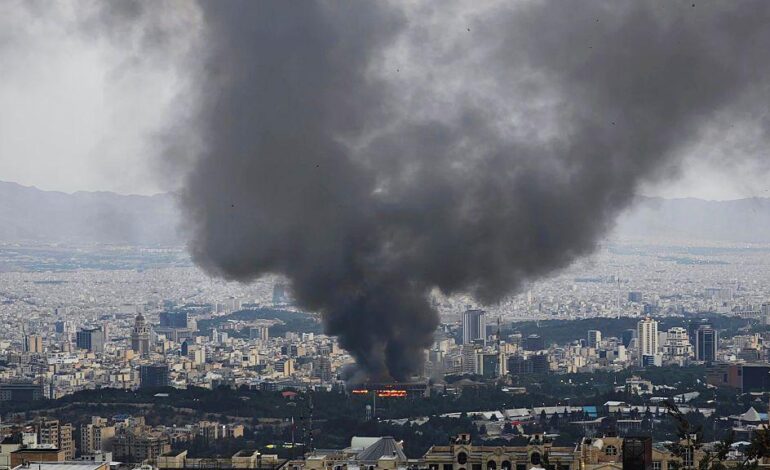
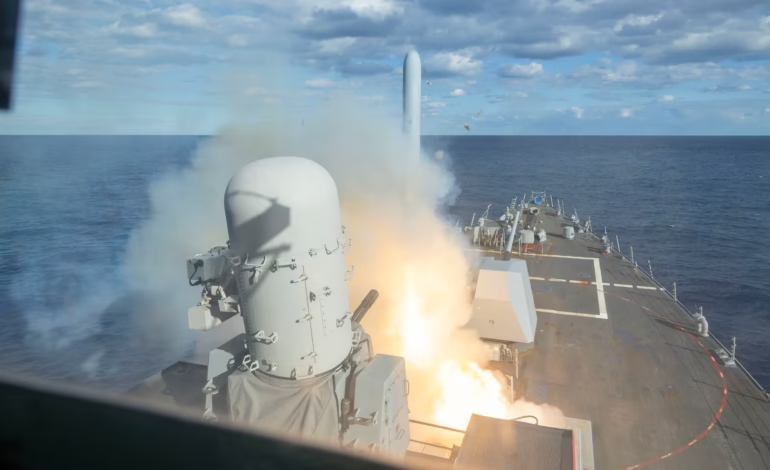
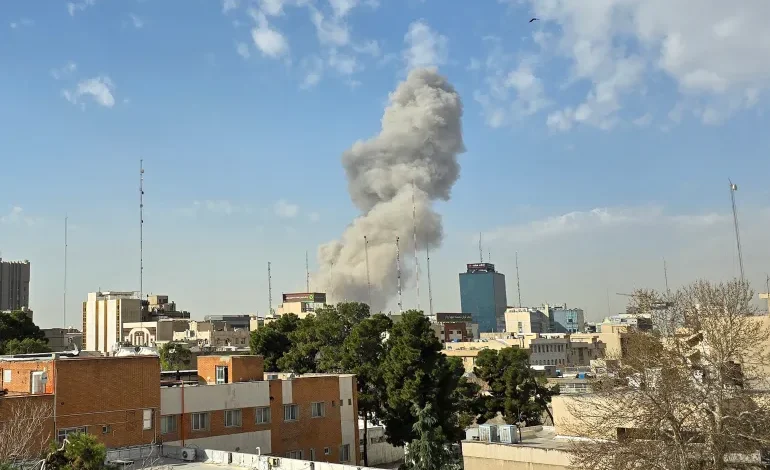
Israeli F-35 Adir stealth fighters led the charge into Tehran’s airspace, conducting “decapitation strikes.” Initial reports confirmed the death of Supreme Leader Ali Khamenei and Army Chief of Staff Abdolrahim Mousavi during targeted bombings of regime compounds. Simultaneously, the U.S. deployed B-2 Spirit stealth bombers and Tomahawk missiles from the Fifth Fleet to strike underground missile silos and command centers.
According to the Jewish Institute for National Security of America (JINSA), the operation utilized new Low-Cost Uncrewed Combat Attack Systems (LUCAS) to overwhelm Iranian radar, allowing manned aircraft to strike with 100% precision.
3. The Iranian Retaliation: A Regional Wildfire
Tehran’s response was neither small-scale nor telegraphed. Within hours of the initial strikes, Iran launched over 150 medium-range ballistic missiles (MRBMs) toward Israeli population centers and U.S. military bases in the Gulf. The theater of war quickly expanded beyond the borders of Iran.
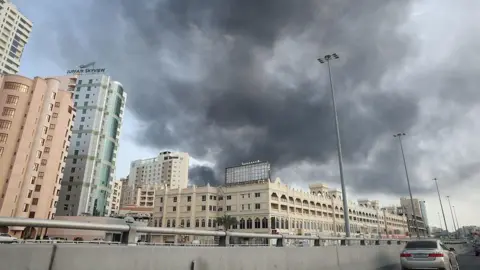
Targeted Allied Infrastructure:
- Bahrain: Direct hits near the U.S. Fifth Fleet headquarters.
- UAE: Drone strikes on the Jebel Ali port in Dubai, causing significant smoke and disruption.
- Qatar: Missile volleys aimed at the Al Udeid Air Base.
- Kuwait & Saudi Arabia: Energy infrastructure and refineries were targeted to maximize global economic pain.
“Iran’s strategy is clear: if they cannot survive the strikes, they will ensure the global economy burns with them by targeting the world’s most vital energy arteries.”
— Strategic Analyst, Atlantic Council.
4. Economic Shockwaves: The Strait of Hormuz Crisis
One of the most immediate and terrifying consequences of the US-Israel attack was the status of the Strait of Hormuz. As a chokepoint for nearly 20% of global oil and LNG shipments, any disruption here is catastrophic. On March 1, the IRGC broadcasted VHF warnings to all commercial vessels: “No ship is allowed to pass.”
Global oil prices responded instantly, with Brent Crude surging past $150 per barrel. Shipping insurance premiums have increased by 400%, and major tanker fleets have suspended operations in the Persian Gulf. For a deeper look at how these market fluctuations affect consumer goods, check out our latest market analysis reports.
5. The Geopolitical Fallout: Global Support and Criticism
The international community remains fractured. While the UK, Australia, and Canada have expressed firm support for the US-Israel action as a “necessary defense of global security,” the response from the East has been sharp. Russia and China have condemned the strikes as “unilateral aggression,” with Moscow accusing Washington of using nuclear concerns as a facade for forced regime change.
India’s Middle Path
India, with nearly 10 million citizens living in the Gulf, has called for an immediate cessation of hostilities. The closure of airports in Dubai and Doha has left thousands of Indian expatriates stranded, creating a massive humanitarian and logistical challenge for New Delhi.
6. Looking Ahead: Is Regime Change Possible?
While the kinetic phase of the US-Israel coordinated attack on Iran continues, the ultimate question is political. President Trump has urged the Iranian people to “take over your government,” suggesting that the military strikes were intended to create a power vacuum for a domestic revolution. However, the appointment of Alireza Arafi as interim Supreme Leader suggests that the clerical establishment is fighting for institutional continuity.
The “Twelve-Day War” of June 2025 was a precursor, but 2026 is the final act. Whether this leads to a democratic Iran or a prolonged civil war remains the most pressing concern for the international community.
References and Authoritative Sources
- American Jewish Committee: The Iran Strikes Explained
- ISW: Iran Update Special Report
- Vision IAS: Causes and Consequences of the 2026 Conflict
- TIME: Iran’s Retaliatory Strikes Challenge Gulf Stability
Disclaimer: This article provides a strategic analysis of ongoing geopolitical events as of March 2, 2026. Military situations are fluid and subject to change.